Stitching Joy: A Designer’s Take on Christmas Dog Clip-art
As someone who has spent countless hours staring at digitized files and watching needles dance across fabric, I have learned that not all graphics translate well to thread. When I first pulled up the Christmas Dog Clip-art from the Illustrations category, my initial reaction was one of cautious optimism. The charm is undeniable, but in the world of machine embroidery, charm must be backed by structural integrity. This isn’t just about how it looks on a screen; it is about how it holds up under the tension of a hoop and the scrutiny of a customer’s eye.
First Impressions and Visual Personality
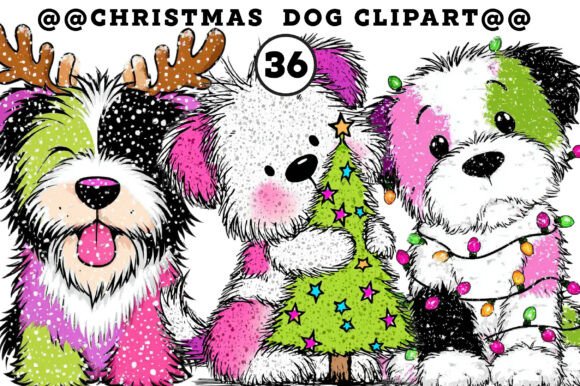
The immediate mood this design evokes is warmth and nostalgia. It captures that specific, cozy feeling of the holiday season without relying on clichéd, overly complex backgrounds. For an embroidery designer, simplicity is often a virtue. Complex illustrations can become muddy when converted into stitches, but this piece maintains clear lines and distinct shapes. The visual personality is playful yet polished, making it versatile enough for high-end boutique items or casual handmade gifts.
What stands out most is the balance between detail and stitchability. Many digital assets fail because they include gradients or shadows that do not translate to thread. This design appears to rely on solid shapes and clean outlines, which suggests it will perform well with standard satin stitch borders and fill stitch bodies. It feels like a design that respects the limitations of the medium while maximizing its aesthetic potential.
Real-World Application: The Holiday Tote Test
To truly evaluate a design, I mentally place it on a real product. Imagine preparing a custom order for a local boutique: a set of heavy canvas tote bags for holiday gift-giving. This is where Christmas Dog Clip-art shines. On a textured fabric like canvas or linen, the bold lines of the dog provide excellent contrast. The design does not get lost in the weave of the fabric, which is a common pitfall for finer, more delicate illustrations.
I can also see this working beautifully on a crewneck sweatshirt. Sweatshirt fleece is thick and plush, requiring designs that are not too dense, or the fabric will pucker. Assuming the digitization accounts for proper pull compensation, this clip-art style allows for a breathable stitch pattern. It would sit comfortably on the left chest or as a larger centerpiece on the back, creating a personalized gift that feels substantial and high-quality.
Versatility Across Product Lines
Beyond totes and sweatshirts, the adaptability of this design is a major selling point for Etsy sellers and craft business owners. Consider these applications:
- Embroidered Patches: The self-contained nature of the clip-art makes it ideal for cut-and-sew patches. You can stitch it on twill, cut it out, and serge the edges for a professional finish.
- Kitchen Textiles: A tea towel or apron featuring this festive dog adds a touch of whimsy to holiday hosting. The design’s clarity ensures it remains visible even after multiple washes.
- Baby Items: For baby embroidery, softness is key. If the stitch density is moderate, this design could work on organic cotton onesies, provided you use a soft backing stabilizer to prevent irritation.
- Home Decor: Think pillow covers or blanket accents. The festive theme makes it a seasonal staple that customers look for every year.
Navigating Technical Challenges
While the design is strong, no machine embroidery design is universal. There are scenarios where you must proceed with caution. For instance, if you are working with a small hoop size, such as a 4x4 inch hoop, you need to verify the scale. If the original file is large, resizing it down significantly can cause stitch overlap and thread breaks. Always check the minimum recommended size before committing to a small project like a coin purse or a baby hat.
Dark fabrics present another challenge. If the Christmas Dog Clip-art relies on light thread colors for the dog’s fur or highlights, stitching on black navy or dark green fabric requires careful planning. You may need to add an underlay or use a lighter base fabric patch if the design includes open areas. Contrast is crucial for visual appeal; without it, the intricate details of the embroidery file will vanish into the background.
Additionally, consider the fabric texture. Stretchy materials like jersey knits require robust stabilization. If the design has large fill areas, the fabric may distort during stitching. Testing on scrap fabric is non-negotiable here. I always recommend running a test stitch-out on the exact material you plan to use for the final finished product. This helps you adjust tension and choose the right stabilizer—whether cut-away for stability or tear-away for ease of removal.
Impact on Brand and Customer Trust
For small shop products and commercial embroidery projects, the quality of your design directly impacts buyer engagement. A clean, well-executed embroidery signals professionalism. When a customer sees a crisp outline and smooth fills, they trust the maker. This design, with its clear thematic focus, helps build brand consistency for sellers specializing in holiday or pet-themed goods. It is recognizable and shareable, which is vital for social media marketing and printable mockup previews.
Moreover, using high-quality design assets like this reduces the risk of customer returns due to poor stitching quality. If the digitization is sound, the thread usage is efficient, and the result is durable. This reliability translates to higher customer satisfaction and repeat business.
Practical Notes for the Embroiderer
Before you load this digital embroidery file into your machine, keep these practical tips in mind:
- Check Thread Colors: Map out your thread palette before starting. Ensure there is enough contrast between the dog, any accessories, and the background fabric.
- Review Stitch Density: Look at the color change sequence. If there are many stops and starts, plan your trimming strategy to keep the back neat.
- Test on Scrap: Never skip this step. It saves time, thread, and frustration.
- Verify Licensing: If you plan to sell items made with this Christmas Dog Clip-art, confirm the license terms. Most commercial-use files allow selling physical finished goods, but restrictions may apply to digital resale.
- Mockup in Black and White: Convert your preview to grayscale to check for value contrast. If the design disappears in black and white, it may lack definition on certain fabrics.
In conclusion, this illustration offers a delightful blend of festive cheer and technical feasibility. It is a solid choice for anyone looking to add a touch of holiday spirit to their custom apparel or handmade inventory. With proper preparation and attention to fabric choice, it can elevate a simple item into a cherished keepsake.