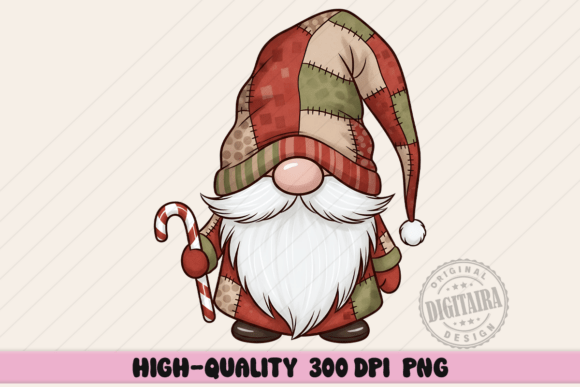
Review: Christmas Patchwork Gnome Png for Embroidery
As a designer who spends half my life staring at digitized files and the other half pulling threads out of jammed machines, I have learned to be skeptical of trendy graphics. We see them everywhere on social media: cute, flat, colorful illustrations that look perfect on a screen but can be a nightmare to translate into thread. Recently, I came across the Christmas Patchwork Gnome Png, and while it is technically categorized under Illustrations, my immediate question was not about its aesthetic appeal, but its viability as a machine embroidery design.
I did not just want to look at it; I wanted to know if it would hold up on a textured towel or a stretchy sweatshirt. So, I put this asset through a mental stress test, imagining it in real-world production scenarios for my craft business and client projects. Here is my practical breakdown of how this design performs when you move from digital preview to physical stitch.
First Impressions: Mood and Visual Personality
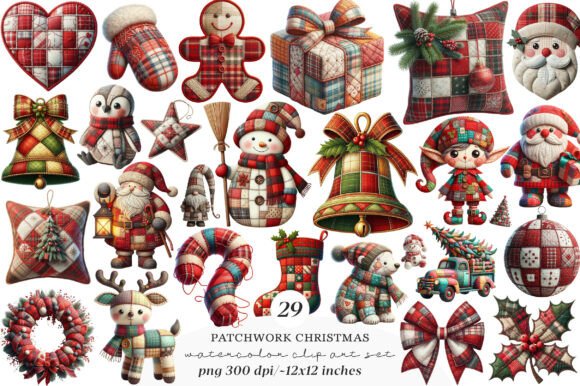
The first thing that strikes you about the Christmas Patchwork Gnome Png is its warmth. It does not rely on the sharp, cold lines of modern minimalism. Instead, it leans into a cozy, handmade aesthetic that mimics the look of fabric scraps sewn together. For an embroidery project, this is a double-edged sword. Visually, it creates an inviting mood that fits perfectly with holiday embroidery themes. It feels nostalgic and safe, which is exactly what customers are looking for in personalized gifts during the winter season.
However, from a technical standpoint, the "patchwork" effect implies complexity. In a raster image like a PNG, these patches are defined by color blocks and outlines. When we think about converting this into a machine embroidery design, we have to consider how those distinct color areas will translate into fill stitches and satin stitches. The visual personality is strong, but it demands respect for detail. If you are planning to use this for a small hoop size, such as a 4x4 inch hoop for a baby item, you must ensure the individual "patches" are large enough to be stitched clearly without becoming a muddy blob of thread.
Real-World Application: Where This Design Shines
I recently had a client request custom tote bags for a holiday boutique pop-up shop. They wanted something that felt artisanal but could be produced quickly. The Christmas Patchwork Gnome Png would be an excellent candidate for this type of tote bag design. The bold shapes and distinct color blocks work well on canvas, where the fabric texture can support a moderate stitch density.
Beyond totes, I see this design performing exceptionally well on kitchen towels and aprons. These items are often made of waffle weave or cotton twill, which provides a stable base for embroidery. The gnome’s whimsical nature adds a touch of humor and charm to functional items, increasing their giftability. For Etsy sellers, this kind of design can elevate a simple tea towel into a high-value handmade product. It suggests effort and creativity, even if the actual stitching process is straightforward.
Another strong use case is sweatshirt embroidery. A crewneck sweatshirt offers a large, flat surface area that allows the design to breathe. You can scale the gnome up to fit a 5x7 or even larger hoop, allowing for more intricate detailing in the hat and beard areas. On dark fabrics, the bright colors typical of patchwork designs pop beautifully, provided you use high-quality thread colors that contrast well against the garment.
Technical Challenges and Fabric Considerations
While the design is charming, we must address where it might fail. The biggest risk with any "patchwork" style illustration is stitch density. If the digitizer attempts to replicate every tiny color change with a new thread stop, you will end up with a stiff, heavy patch that pulls on the fabric. This is particularly problematic on stretchy fabric or thin material. If you are embroidering this on a baby onesie, you need to be extremely careful. The weight of the thread could distort the garment, making it uncomfortable for the child.
Curved surfaces also present a challenge. If you plan to put this gnome on a cap, you must ensure the design is narrow enough to fit the front panel without wrapping around the sides. Caps have limited space, and a wide patchwork design might look distorted if not scaled correctly. Additionally, detailed corners in the patchwork pattern can cause thread breaks if the needle turns too sharply. A skilled digitizer would use running stitch or lighter fill stitch in these transition areas to maintain clarity without bulk.
Dark fabric requires special attention. If the gnome has light-colored patches, you may need an underlay stitch or even an applique design approach to prevent the dark fabric from showing through the lighter threads. Always test your thread color contrast on scrap fabric before committing to the final product. A black and white mockup can also help you visualize the value structure of the design, ensuring that the shape remains recognizable even if the colors are less vibrant.
Enhancing Brand Value and Customer Trust
Using a well-executed version of the Christmas Patchwork Gnome Png can significantly boost your brand consistency. It signals to your customers that you understand current trends but also care about quality. When a buyer sees a clean, crisp embroidered gnome on a pillow cover or blanket, they associate that professionalism with your entire shop. This builds trust, which is crucial for small shop owners and creative entrepreneurs competing in a saturated market.
For digital product sellers, offering this as part of a bundle with printable mockups can increase buyer engagement. Showcasing the design on various products helps customers visualize the end result, reducing hesitation and returns. However, always confirm licensing before selling finished items or digital products. Not all PNGs are cleared for commercial embroidery use, and violating license terms can jeopardize your craft business.
Practical Notes for the Embroidery Designer
Before you load this design into your machine, take a moment to review the technical specs. Since this source is a PNG, you will likely need to digitize it yourself or purchase a pre-digitized embroidery file from a trusted source. If you are digitizing it, pay close attention to the stitch density. Avoid over-saturating the design with fill stitch; instead, use strategic satin stitch for borders and outlines to define the patchwork sections.
- Test on Scrap Fabric: Always run a test stitch-out on the same type of fabric you intend to use for the final product. This reveals issues with tension and registration.
- Check Stabilizer: Use a cut-away stabilizer for stretchy fabrics like sweatshirts and a tear-away for stable woven fabrics like tote bags or towels.
- Inspect Small Details: Zoom in on the digital file. Are the smallest patches large enough to be stitched? If not, simplify the design by merging small color areas.
- Verify Hoop Size: Ensure the design fits within your machine’s maximum hoop size, leaving enough margin for clamping.
- Commercial Rights: Double-check the license agreement. Ensure you have the right to use the design for commercial embroidery projects if you plan to sell the finished goods.
In conclusion, the Christmas Patchwork Gnome Png is a versatile and appealing asset for holiday-themed projects. It bridges the gap between digital illustration and tactile handmade product. With careful attention to stitch density, fabric choice, and proper stabilization, it can become a standout item in your Etsy listings or boutique inventory. Treat it not just as a picture, but as a blueprint for thread, and it will reward you with a high-quality finished product that customers love.